Tired But Wired
Why you're exhausted all day and wide awake at night and how to fix it

You're exhausted all day, wide awake at night
And you're tired of being told it's just your age. It isn't. It's a pattern and once you understand it, you can change it.
Does any of this sound familiar?
You wake up already tired and the day only gets harder from there.
You're running on adrenaline, caffeine, and willpower by mid-afternoon.
Then 10pm arrives and something shifts. A second wind, then suddenly you're alert, your mind is racing, and sleep feels impossible.
Or you do fall asleep but, reliably, almost to the minute you're wide awake at 3 or 4am. Staring at the ceiling. Exhausted but unable to switch off.
You've tried going to bed earlier, you've cut back on wine, you've downloaded the sleep apps but still the same pattern, night after night.
If you recognise yourself here, I want you to know something important: This is not who you are.
This is what's happening to your hormones and your nervous system and it has a name.
You're not broken. You're not "just getting older." And you're definitely not imagining it.
The tired-but-wired pattern is one of the most common and most misunderstood experiences in midlife.
It affects women in their 40s, 50s and beyond, and it's almost never properly explained. Not by your GP or by the internet. Nor by the well-meaning advice to "get more sleep" or "reduce your stress."
Because the real reason this is happening isn't a lack of willpower or a bad bedtime routine. It's your cortisol rhythm and it's been quietly dysregulated, probably for longer than you realise.
Here's what's actually going on.
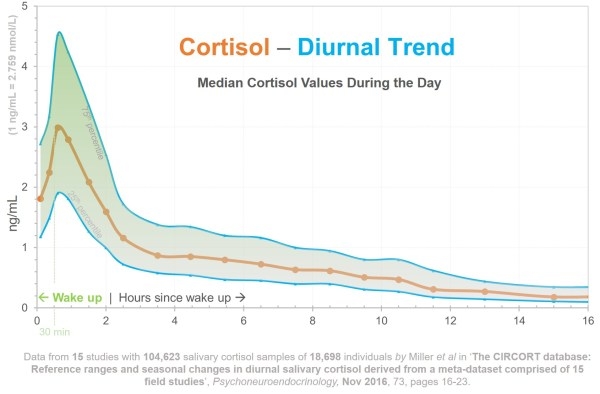
Cortisol isn't a stress hormone that is all bad, it's your body's built-in energy and alertness signal. When it's working well, it rises in the morning to get you going and falls at night to let you sleep.
But when that rhythm breaks which starts to happen in midlife as progesterone declines and blood sugar becomes less stable, the curve flips. Too little cortisol when you need energy, too much when you need rest.
And that 3am wake-up? That's not random. It's your blood sugar dropping overnight, triggering a cortisol and adrenaline surge to compensate, waking you at exactly the moment your body should be in its deepest sleep.
The good news and this is the part nobody tells you is that this rhythm can be retrained. Without medication or without overhauling your entire life. Starting with small, well-timed changes that work with your biology rather than against it. That's exactly what this course gives you.
Introducing: Tired But Wired. A 45 minute course for midlife women who are exhausted all day and wide awake all night and ready to understand why and how to fix it
- Insight 1 — What tired but wired actually is. The cortisol rhythm explained simply and why the hormonal shift of midlife makes it so much worse. Finally, a reason that makes sense.
- Insight 2 — The 3am wake-up, decoded. Why it happens at the same time every night, what your body is actually trying to do, and when to see your GP instead.
- Insight 3 — The daytime reset. The morning and daytime habits that rebuild your cortisol rhythm from the ground up. Because you fix your sleep in the morning, not at night.
- Insight 4 — The evening wind-down. How to genuinely switch off, light, blood sugar, nervous system techniques that actually work so sleep becomes something you fall into rather than chase.
- Insight 5 — Supplement support. An honest guide to what's worth considering, what's overhyped, and what to always check with your GP first.
- Insight 6 — Your 7-day reset. A simple, structured week to put it all into practice with a daily tracker so you can see what's shifting.

Plus your downloadable workbook:
The one-page Tired-But-Wired protocol, morning, daytime, and evening on a single page
Your 7-day reset tracker
A meal and snack guide for stable blood sugar overnight
A cortisol lowering reset audio
A red-flag checklist, the symptoms that mean see your GP, not Google
This course is for you if:
- You're in your 40s, 50s or beyond and the tired-but-wired pattern feels all too familiar
- You've tried the obvious things and they haven't worked Y
- ou want to understand why this is happening, not just a list of tips
- You're ready for something evidence-based, not another wellness fad
This course is not for you if:
- You're looking for a quick fix with no effort involved
- You have significant unmanaged health conditions (please see your GP first)
- You're happy blaming your age and leaving it at that.
Hi I'm Emma
I'm a functional health practitioner with 35 years of clinical experience, and I specialise in helping midlife women understand what's really happening in their bodies so they can make genuinely informed decisions about their health to feel better now. I created this course because I've had this conversation hundreds of times in clinic. Exhausted women who've been told everything is normal and it is just your age. Who've never once been told about cortisol rhythms, blood sugar, or the profound effect of hormonal change on the nervous system. You deserve a proper explanation. This is it.


Ready to finally understand what's going on?
Tired But Wired is £27, instant access, 45 minutes. Yours to keep and revisit whenever you need it. No subscription. No upsell. Just the information you should have been given years ago.
Questions? Email me, I am happy to answer any questions you may have. hello@lifegoldwellbeing.com
This course is for educational purposes only and does not constitute medical advice. It is not intended to diagnose, treat, cure, or prevent any condition or disease. Always consult your GP or qualified healthcare professional before making changes to your diet, lifestyle, or supplement routine, particularly if you are taking medication or have a diagnosed medical condition. If you experience symptoms that concern you, please seek medical advice.